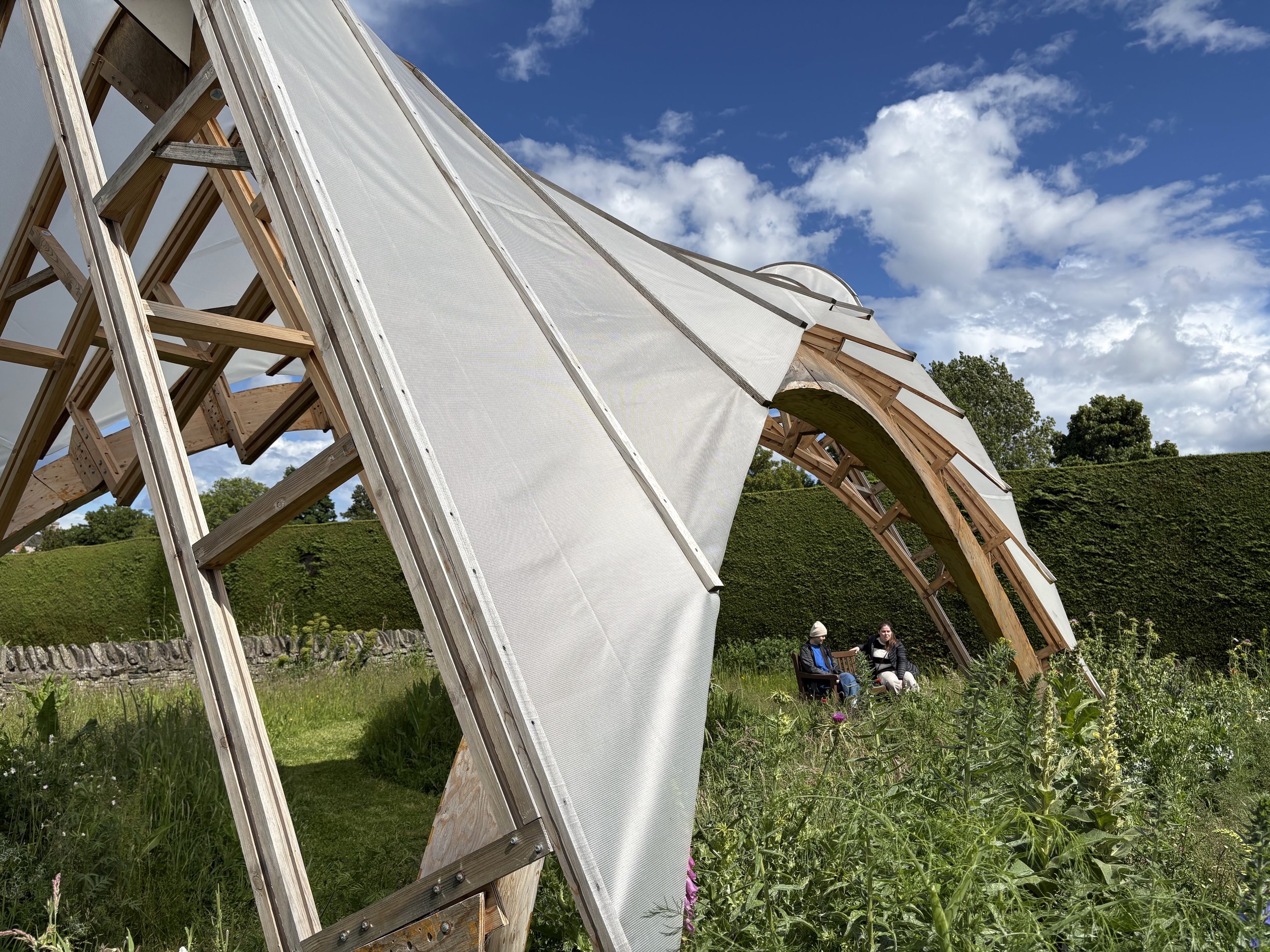
The School of Postdisciplinary Posthumanism
Summer School 2026
Botanic Garden, St Andrews, Scotland
"There are professions more harmful than design, but only a very few of them". These famous words of Victor Papanek still resonate today. Designers and innovators have always had a responsibility to think and act carefully, holistically and ethically about the things they bring into the world.
Design has become increasingly attentive to sustainability and regeneration as we are undeniably in an ecological and climate crisis that requires us to act differently. Yet even these more respectful approaches to the natural world can still privilege the human – human needs and desires and human definitions of what is important.
This school explores the decentring of the human, challenging deep-seated, centuries-old assumptions of anthropocentrism and human exceptionalism.
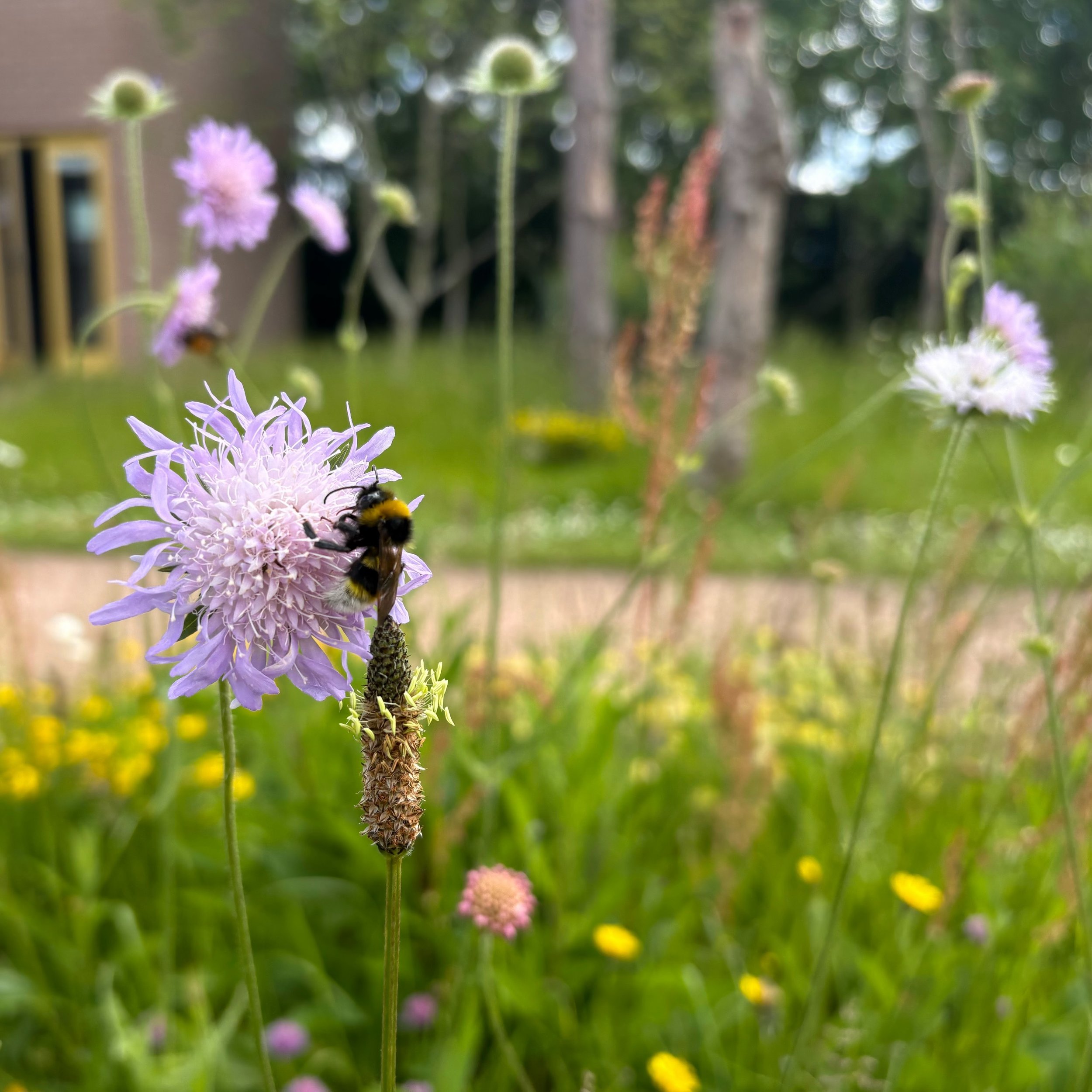
In this inaugural summer school we asked: 'Who is the human in human-centred design?'
Throughout the week students explored different ways of paying attention to, amongst others, relations, temporalities, and boundaries. Asking where the power is, and who and what matters when we decide what gets designed.
This thinking was applied through a challenge: to create a site-specific work that invites noticing – asking us to become attentive to something in the natural world.
Summer School in St Andrews 2026
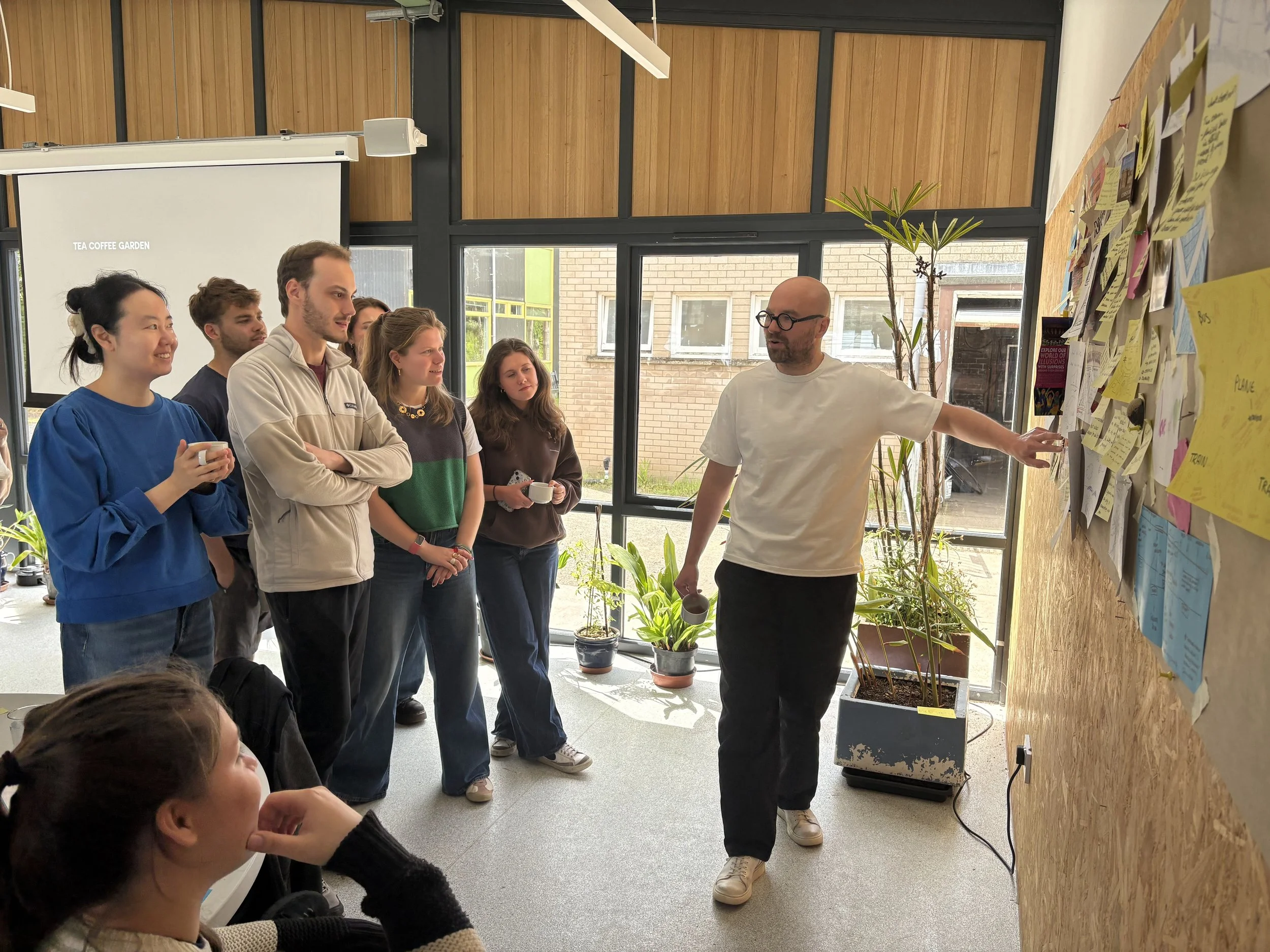
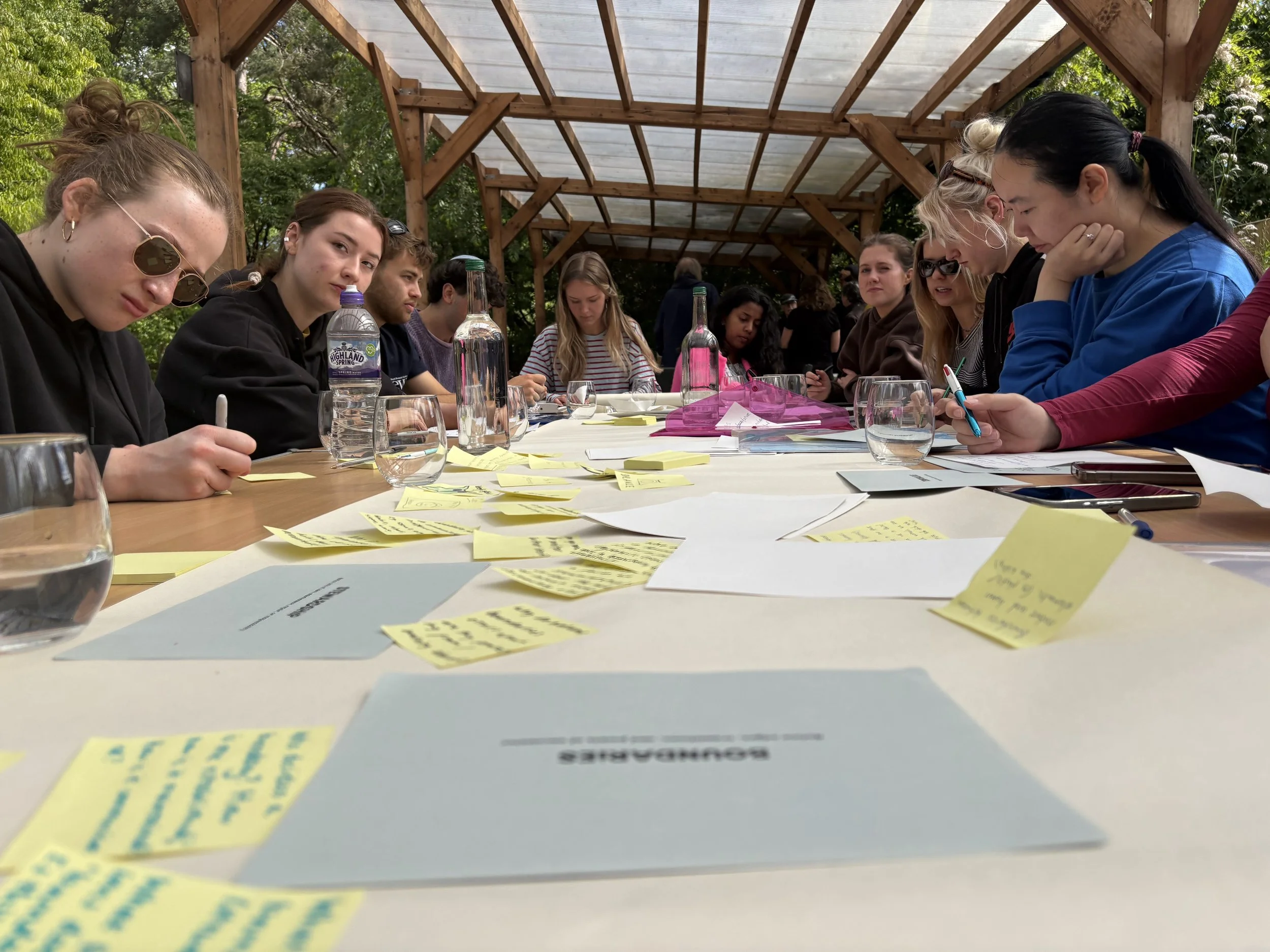
A school in the sense of a school of thought rather than one in a university. Postdisciplinary, beyond disciplinary boundaries. And posthumanism, questioning human exceptionalism and exploring how we live well together in an entangled, more-than-human world, rooted in care.
What’s in a name?
Postdisciplinary approaches move beyond the boundaries of traditional disciplines. They begin with shared questions, places, and practices instead of disciplinary expertise. Methods, collaborations, and forms of knowing develop through experimentation and inquiry, often involving design artefacts, prototypes, and field-based exploration.
Critical posthumanism challenges the idea that humans exist apart from or above the rest of the world. It emphasises that humans are deeply entangled with other species, technologies, materials, and environments. Knowledge and agency arise through these relationships rather than belonging to humans alone. In design and research, critical posthumanism encourages practices that recognise more-than-human actors and explore new forms of coexistence, care, and responsibility within complex ecological systems.
School in this context refers to a collective intellectual and creative practice. In the spirit of the Frankfurt School, the Bauhaus, and experiments such as Black Mountain College, a school can emerge as a community gathered around common questions, methods, and sensibilities. It operates as a learning ecology grounded in collaboration, experimentation, and open inquiry, not a fixed curriculum.
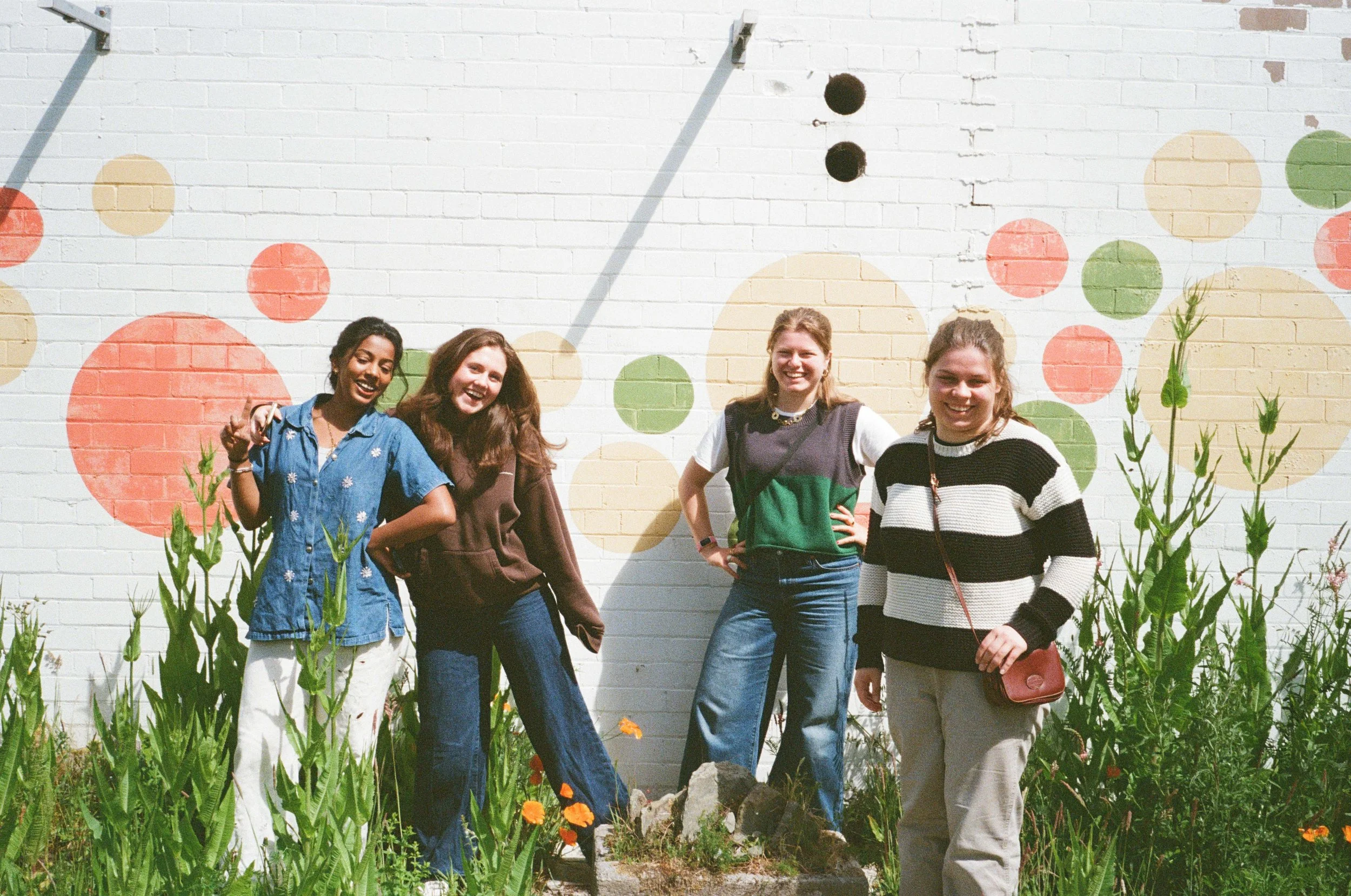
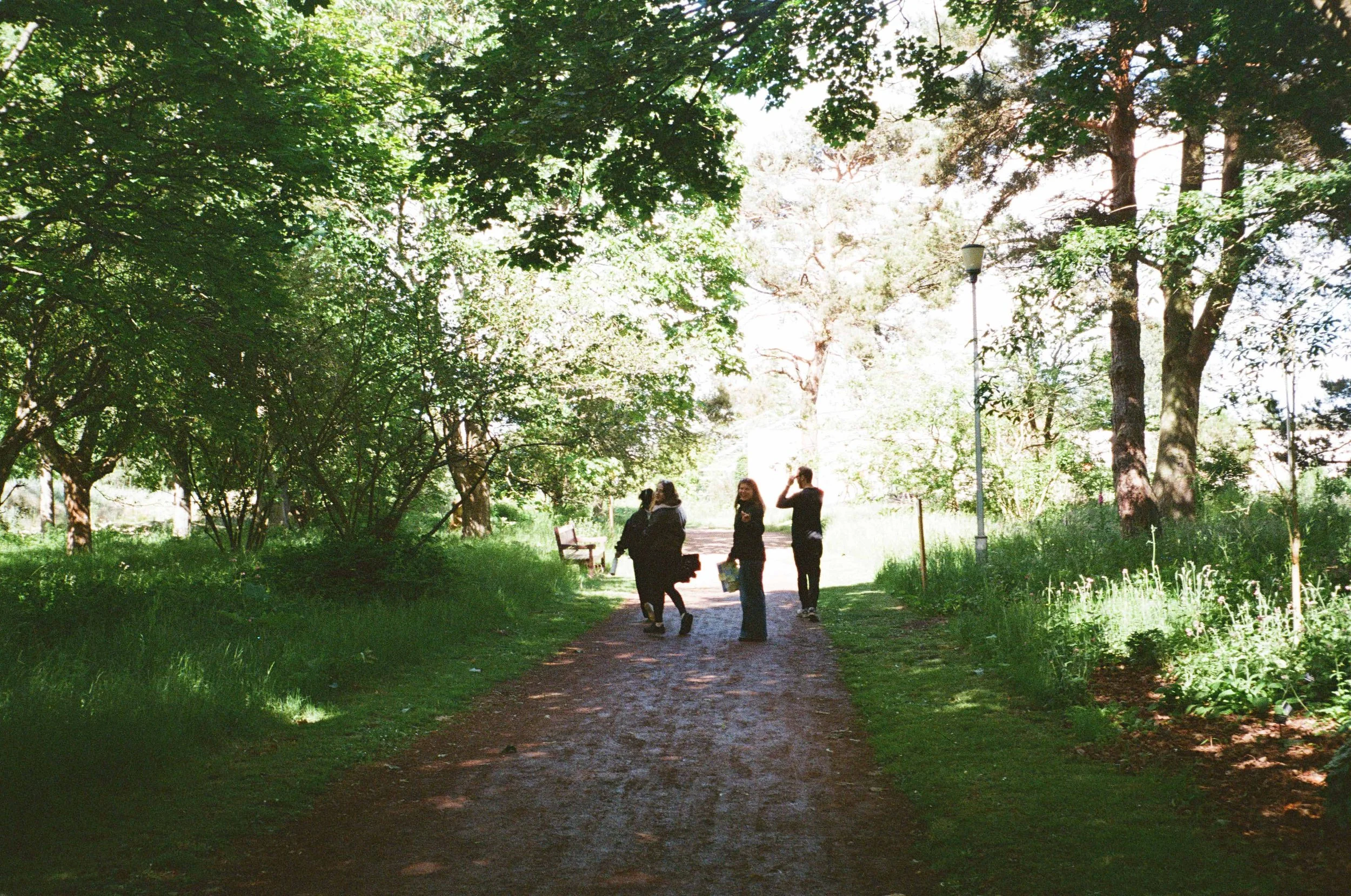
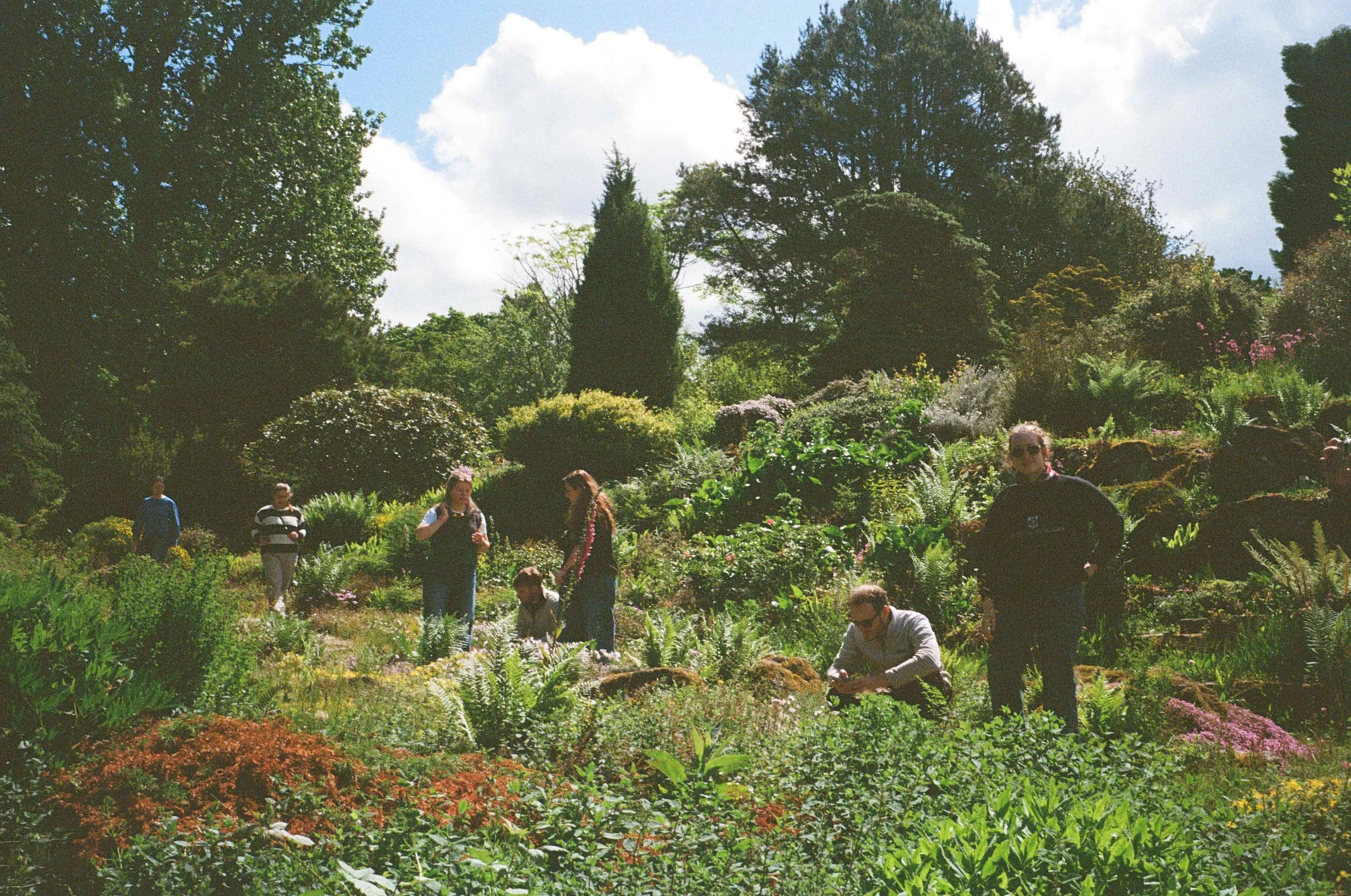
“What has stayed with me is the recognition of our privilege as designers to decide what is important. Design is never neutral; every decision reflects a set of values, and this week challenged me to think more critically about our responsibility not only to people, but also to the natural world and the wider systems we are part of.”
— Daisy“The sprint challenged many assumptions I hadn't realised I held about design: who we design for, whose interests are represented, and how we might create futures that acknowledge the needs of entire ecosystems rather than just the people within them.”
— Carys“One of the biggest takeaways for me was learning to view nature not only as the context that design happens, but as a stakeholder in the design process itself. Coming from a human-centred design perspective, this challenged me to think more broadly about relationships, responsibilities, and the long-term impacts of our decisions on the wider ecosystem.”
— KaitlynFunded and Supported by:
Centre for Innovation and Entrepreneurship, University of Bristol
Conceived and led by:
Tom Metcalfe
Co-facilitators:
Suzanne Cole, Arthur Ryel-Lindsey, Loraine Clarke
Operations and Logistics:
Robert Silverton
Further support from:
SACHI, Computer Science, University of St Andrews
Botanic Garden, St Andrews
Image credits (above):
Noah, and Arthur Ryel-Lindsey